Train Like an Athlete, Test Like a Champion: The SAT and ACT Countdown Nobody Hands You
No athlete shows up to a championship having only studied the rulebook. Yet that is precisely how millions of American students approach the SAT and ACT: months of content review, followed by almost total neglect of the physiological and psychological machinery that will actually be running on test morning. The result is a familiar pattern — students who know the material freeze on a Reading section, or bomb the final stretch because their blood sugar crashed at question 40.
Standardized testing is a psychological sport. It rewards endurance, emotional regulation, and routine as much as it rewards vocabulary and algebra. Here is the training plan that has nothing to do with studying — organized as a countdown you can actually follow.
Four Weeks Out: Build the Engine
Start treating sleep as a performance variable, not a luxury. Research on sleep and memory consolidation is unambiguous: the brain encodes and stores what you study during deep sleep. Cramming until 1 a.m. actively erases the studying you did at 7 p.m. Set a consistent bedtime now, four weeks out, and hold it.
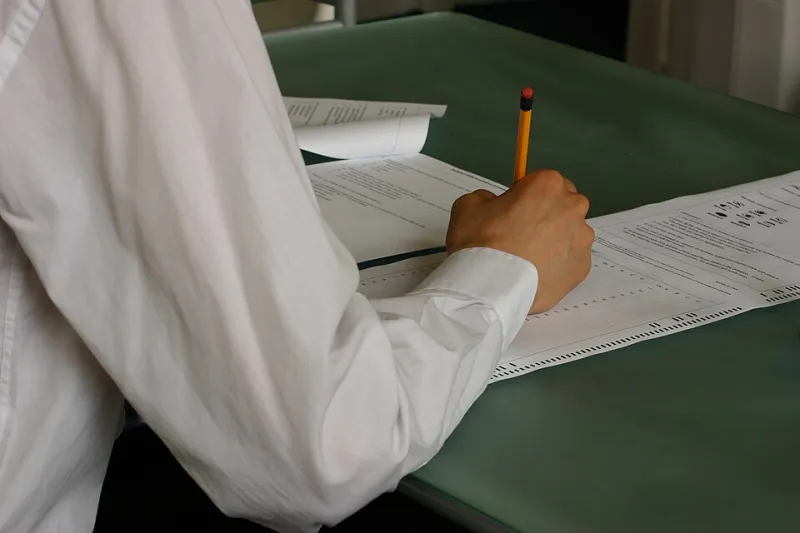
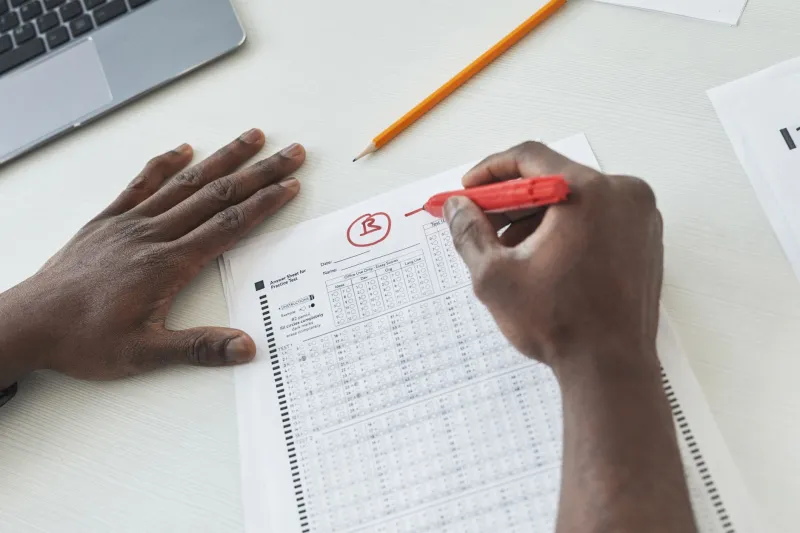
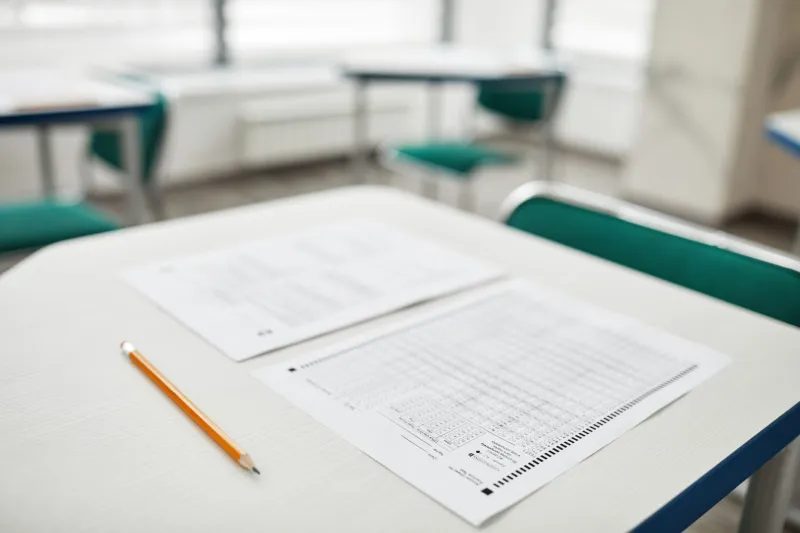
Begin one full-length practice test under real conditions — timed, on paper or the digital format you'll actually face, in a quiet room, starting at 8 a.m. The goal isn't the score. The goal is teaching your body what three hours of sustained concentration feels like.
Two Weeks Out: Rehearse the Stress
Anxiety before a high-stakes exam is not a malfunction; it's arousal, and arousal is trainable. Two techniques with strong evidence behind them:
- Controlled breathing. Four seconds in, six seconds out, repeated for two minutes. This activates the parasympathetic nervous system and can be done discreetly at your desk before the proctor starts the clock.
- Reappraisal. Reframing "I'm terrified" as "I'm energized" sounds like a poster in a guidance counselor's office, but studies from Harvard and Rochester have shown that students told to interpret pre-test arousal as excitement measurably outperform those told to calm down.
Also rehearse your morning routine twice. Same breakfast, same wake time, same playlist if you use one. Familiarity lowers cognitive load on the day itself.
One Week Out: Lock the Logistics
Half of test-day disasters are administrative. Confirm now, not Friday night:
- Your admission ticket and an acceptable photo ID
- The exact test center address and your route there
- Approved calculator with fresh batteries (and a backup, if allowed)
- A snack and water for the break — blood glucose matters by the third hour
- Layers. Testing rooms are reliably either arctic or tropical.
Taper your studying in the final week. A light review of error logs from practice tests beats a desperate sprint through new material that will only spike your anxiety.
The Night Before and the Morning Of
Do not take a full practice test the night before. Review a few formulas, pack your bag, and stop. Aim for your normal bedtime — an unusually early night often produces restless sleep. If you sleep poorly, do not panic; one imperfect night of sleep has a smaller effect on performance than the panic about it will.
Morning of: eat a breakfast built on protein and slow carbohydrates, not sugar. Arrive early enough that a traffic jam or a slow check-in line cannot touch your heart rate.
After the Test: The Strategy Everyone Forgets
Most students treat score release as the end. It is a decision point. Know your target schools' score policies — including test-optional policies, which vary widely across American universities — before you choose whether to send, withhold, or retake. Many students also overlook Score Choice and superscoring rules, which differ between the College Board and ACT, Inc. A 30-minute review of these policies can be worth more than a month of additional tutoring.
The Bottom Line
Your brain is the equipment. Content review tunes it, but sleep, stress training, logistics, and recovery determine whether it performs when the timer starts. Champions in every sport know the same truth: on game day, the training that matters most is the kind nobody sees.